Texas has just passed two new laws that make it easier for property owners to deal with squatters—people who move into a home or land without permission. If you own property in Texas, whether it’s your home, a rental, or land you’re holding for the future, this is an update you’ll want to know about.
What Changed?
Two bills were signed into law by Governor Abbott:
-
Senate Bill 1333 (SB 1333) – Starts September 1, 2025
-
Gives sheriffs and constables the power to remove trespassers right away in certain cases.
-
Makes it a felony crime to create fake documents that claim ownership or lease rights.
-
Punishes people who try to rent or sell property they don’t actually own.
-
Senate Bill 38 (SB 38) – Starts January 1, 2026
-
Speeds up the eviction process when someone is living on a property without permission.
-
Courts must act within 10–21 days after filing an eviction.
-
Allows clear cases of squatting to be removed quickly, without dragging out expensive court battles.
Why Texas Needed This
-
Texas is ranked #2 in the nation for squatting cases.
-
Some property owners have faced six-figure legal costs just to get their own property back.
-
Squatters sometimes cause property damage or even dangerous situations.
-
At the same time, lawmakers made sure real tenants are still protected with fair notice and due process.
Why This Matters for Real Estate
Here’s how these new laws affect you and the Texas real estate market:
-
Homeowners: You now have stronger protection if someone moves into your property without permission.
-
Landlords: You’ll be able to deal with non-paying tenants or unauthorized occupants faster.
-
Investors & Rehabbers: Quicker removal of squatters means less risk and more predictable timelines for flips or rentals.
-
Communities: Cleaner neighborhoods with fewer abandoned homes being taken over illegally.
Vacant homes, foreclosures, and properties under repair have been the biggest targets for squatters. If you’re dealing with property tax debt and worried about losing your home—or leaving it sitting vacant—you’ll want to check out my free book, “Guide To Recovering From Property Tax Debt”. It explains step-by-step how to protect your property and avoid becoming a target.
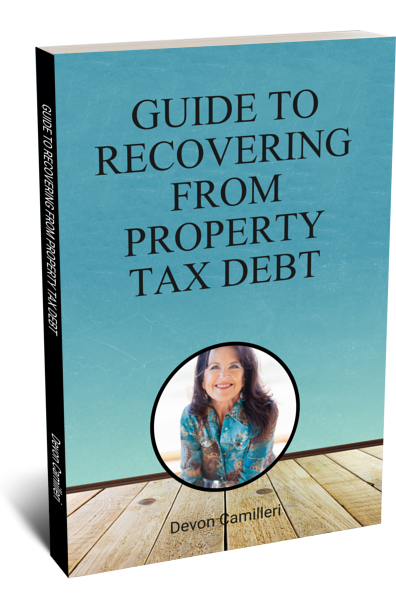
👉 Grab your free copy here
What To Do Next
-
Protect your vacant property – lock, secure, and check it regularly.
-
Keep records – if someone refuses to leave, document notices and communications.
-
Know your rights – the law is now on your side, but procedures still matter.
-
Ask for guidance – talk with a real estate professional if you’re unsure about your situation.
Resources to Learn More
Need Help Navigating This Market?
I specialize in helping Texans protect and grow their real estate investments. If you need guidance on how these new laws affect your property, or want to talk about your options, I’m here to help.
📧 devoncamilleri@jpar.net
🌐 devoncamilleri.jpar.com
📱 760-522-8559 | ☎️ 817-550-2241
Devon Camilleri – JPAR Real Estate, Serving Texas & California